

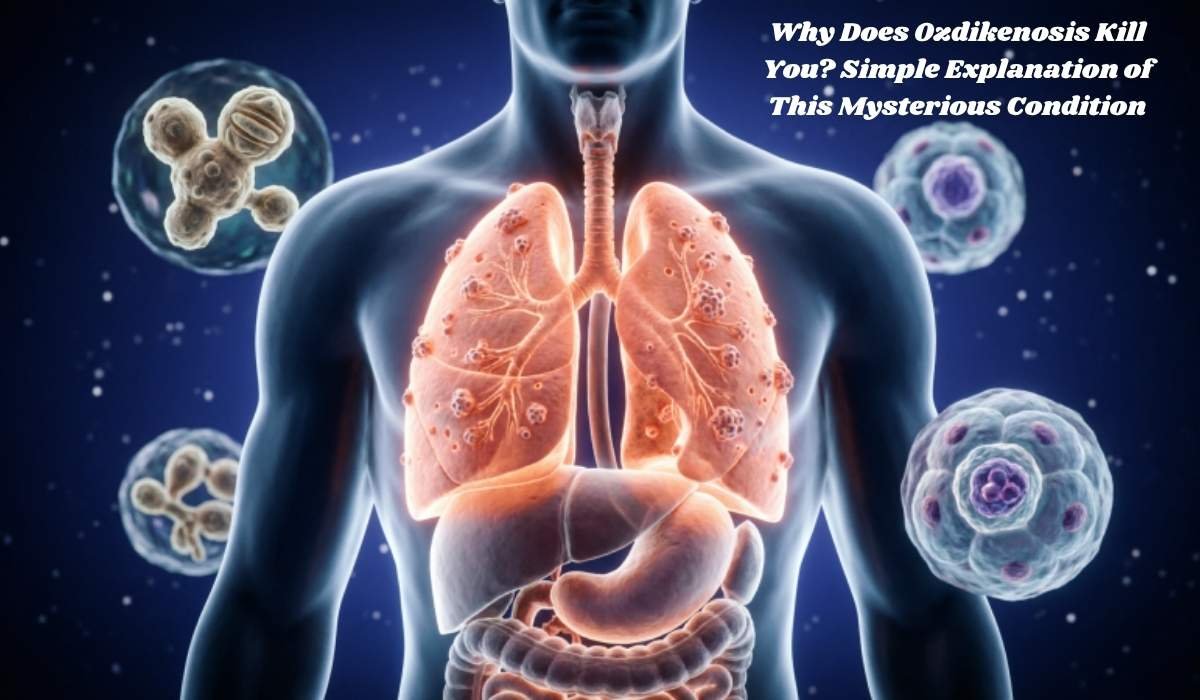
Ozdikenosis sounds scary, and for good reason. It is a condition that affects the body at a deep, cellular level. Many people ask why it turns dangerous so fast. The truth is, it disrupts how cells make and use energy.
This is also why people search for Why Does Ozdikenosis Kill You be cured. Once cells lose their normal function, the damage often spreads. Doctors look closely at the stages of ozdikenosis to understand how far it has progressed. Catching it early can make a real difference.
What Is Ozdikenosis?
Ozdikenosis is a rare condition that affects how the body produces and uses energy. It starts inside the cells, where tiny structures called mitochondria normally create the fuel the body needs to function. When this process breaks down, cells slowly lose their ability to work properly. Over time, this damage spreads to tissues and organs.
People often confuse it with other metabolic disorders because the early signs are easy to miss. Fatigue, weakness, and brain fog are common first clues. As the condition moves through different stages, symptoms become harder to ignore. Without proper care, the body struggles to keep up, and important organs begin to suffer.
How Does the Body Normally Work?
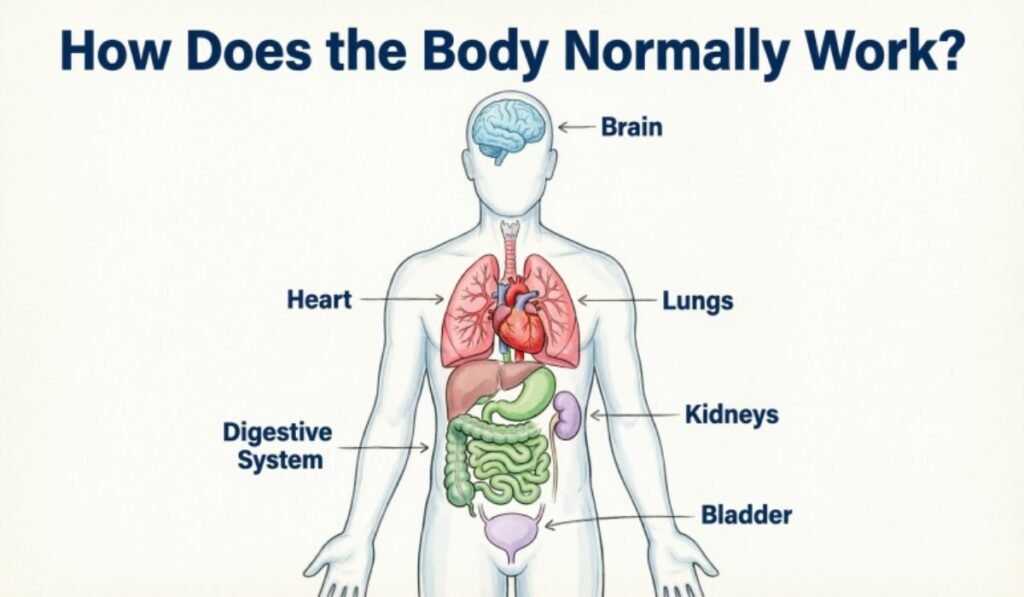
A healthy body runs on a steady chain of processes working together. Cells make energy, organs filter waste, and systems communicate constantly. When everything works smoothly, the body stays balanced, strong, and able to heal itself.
- Cells convert food into usable energy through mitochondria
- The heart pumps oxygen-rich blood to every tissue
- Lungs exchange oxygen and remove carbon dioxide efficiently
- Kidneys filter toxins and balance fluids in the body
- The immune system identifies and fights harmful invaders
- Nerves send signals that coordinate movement and sensation
- Organs repair and regenerate cells to maintain function
Why Does Ozdikenosis Happen?
Experts believe ozdikenosis develops when multiple factors combine and overwhelm the body’s natural defenses. Genetic weaknesses, toxic exposure, and immune problems may all play a role, slowly damaging cells until normal function breaks down completely.
| Proposed Cause | Description |
| Genetic Mutation | Inherited changes disrupt normal cell energy production |
| Mitochondrial Dysfunction | Energy-producing structures fail, starving cells of fuel |
| Autoimmune Response | The immune system mistakenly attacks healthy body tissue |
| Environmental Toxins | Long-term exposure to harmful chemicals damages cells |
| Oxidative Stress | Unstable molecules build up and injure cell structures |
| Chronic Inflammation | Ongoing inflammation slowly wears down organ function |
| Microbial Trigger | An infection may set off lasting cellular damage |
How Does Ozdikenosis Progress Over Time?
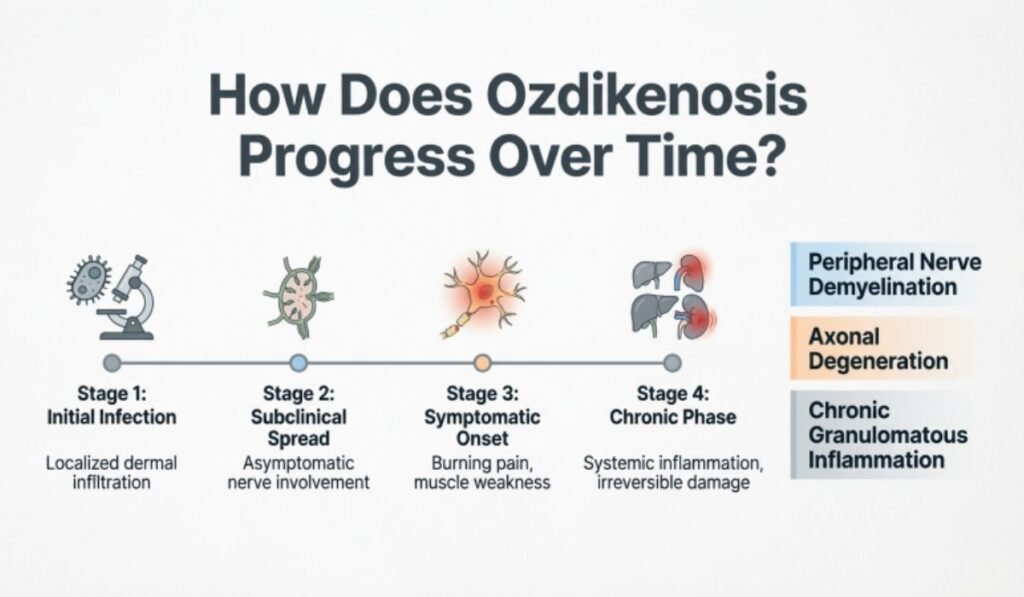
Ozdikenosis usually develops in stages rather than appearing suddenly. The body’s cells weaken gradually, and symptoms shift as damage spreads. Recognizing each stage helps explain why early signs are often mistaken for less serious health issues.
| Stage | What Is Happening | Typical Symptoms |
| Early Stage | Cells begin losing energy efficiency | Fatigue, brain fog, mild weakness |
| Stage Two | Mitochondrial damage starts spreading | Muscle pain, dizziness, poor focus |
| Stage Three | Inflammation increases throughout the body | Joint pain, swelling, low-grade fever |
| Stage Four | Organ tissues start showing stress signs | Shortness of breath, chest discomfort |
| Stage Five | Multiple organs struggle to function normally | Jaundice, severe fatigue, confusion |
| Terminal Stage | Organ failure becomes widespread and critical | Multiple organ failure, unconsciousness |
Why Is Ozdikenosis So Dangerous?
Ozdikenosis becomes dangerous because it attacks the body on several levels at once. Cells lose energy, organs weaken, inflammation spreads, blood flow slows, and toxins accumulate. Together, these problems overwhelm the body’s ability to repair itself, making the condition harder to control as time passes.
1. Organ Failure
As cells lose function, organs can no longer perform their essential jobs properly. This strain builds gradually, eventually threatening survival if left unmanaged.
- Heart struggles to pump blood efficiently
- Kidneys fail to filter waste properly
- Liver loses its detoxification ability
- Lungs cannot exchange oxygen well
- Multiple organs decline at once
- Recovery becomes increasingly difficult overall
2. Loss of Cellular Function
Cells depend on steady energy to survive and repair themselves. When that energy fails, cells weaken and stop performing their normal daily tasks.
- Mitochondria stop producing enough energy
- Cells struggle to repair themselves
- Tissue regeneration slows down significantly
- Muscles weaken from energy shortage
- Brain cells lose sharp function
- Overall body strength gradually declines
3. Dangerous Inflammation
Inflammation is meant to protect the body, but constant inflammation causes harm instead. It damages healthy tissue and worsens existing problems.
- Immune system stays overly active
- Healthy tissue gets damaged repeatedly
- Pain and swelling increase steadily
- Blood vessels become inflamed too
- Organs face ongoing internal stress
- Healing process becomes much slower
4. Disrupted Blood Flow
Blood carries oxygen and nutrients everywhere. When circulation slows down, every organ feels the effects of reduced supply.
- Oxygen delivery becomes less efficient
- Nutrients reach tissues more slowly
- Blood vessels narrow or stiffen
- Heart works harder than normal
- Extremities may feel cold often
- Organ tissue gradually weakens further
5. Toxic Buildup
When the body can’t clear waste properly, harmful substances accumulate inside tissues. This buildup slowly poisons cells and worsens overall damage.
- Kidneys struggle to remove waste
- Liver can’t filter toxins fully
- Harmful substances build in blood
- Cells become damaged from toxins
- Brain function may become affected
- Symptoms worsen as toxins increase
Read More: Droven IO Future Technology USA
What Are the Symptoms to Watch For?

Ozdikenosis symptoms often start small and are easy to dismiss. As the condition progresses, signs become more noticeable and harder to ignore, eventually affecting major organs and overall daily function significantly.
Early warning signs include:
- Chronic fatigue
- Brain fog
- Mild muscle weakness
- Unexplained weight loss
- Dizziness
- Joint discomfort
- Low-grade fever
- Difficulty concentrating
Progressive symptoms as the disease advances:
- Shortness of breath
- Persistent muscle pain
- Numbness or tingling
- Memory lapses
- Swelling in limbs
- Increased heart rate
- Frequent headaches
- Digestive disturbances
- Noticeable mood changes
Late-stage or severe symptoms:
- Multiple organ failure
- Seizures
- Jaundice
- Severe chest pain
- Confusion or unconsciousness
- Extreme, unrelenting fatigue
Key Point for Featured Snippets
Ozdikenosis becomes fatal because it slowly damages cells, triggers chronic inflammation, disrupts blood flow, and causes toxic buildup, leading to multiple organ failure when the body can no longer repair itself.
Who Is Most at Risk?
Certain people face a higher chance of developing ozdikenosis due to genetics, lifestyle, or existing health conditions. Understanding these risk factors helps identify warning signs earlier and encourages timely medical attention before symptoms become severe.
- People with a family history of genetic or metabolic disorders face higher risk.
- Individuals with existing mitochondrial conditions are more vulnerable to further cellular damage.
- Those with weakened immune systems struggle to control inflammation and fight off triggers.
- Long-term exposure to environmental toxins increases the chance of cellular and organ damage.
- People with chronic autoimmune diseases may be more prone to abnormal immune responses.
- Poor nutrition over time can weaken cells and slow important energy production processes.
- A sedentary lifestyle may worsen circulation problems and reduce overall metabolic efficiency.
- Chronic stress can increase inflammation and place extra strain on the body’s systems.
- Older adults often have reduced cellular repair ability, increasing vulnerability to damage.
- People with untreated metabolic disorders may experience faster disease progression over time.
- Frequent exposure to heavy metals or pollutants may contribute to long-term cellular harm.
- Individuals with multiple chronic illnesses face compounded risk due to overlapping health stress.
How Is Ozdikenosis Diagnosed?
Diagnosing ozdikenosis involves several tests since symptoms often overlap with other conditions. Doctors usually combine blood work, imaging, and specialized testing to confirm the diagnosis and rule out similar disorders accurately.
- Blood tests to check inflammatory markers and metabolic function
- Genetic testing to identify inherited mutations linked to the condition
- MRI scans to detect tissue or organ abnormalities
- CT scans for detailed imaging of internal organs
- Biopsy to examine tissue samples for cellular damage
- Metabolic testing to assess energy production levels
- Neurological exams to evaluate brain and nerve function
- Specialist referrals for further evaluation and confirmation
Can Ozdikenosis Be Treated?
There is no single cure for ozdikenosis, but treatment focuses on managing symptoms and slowing progression. A combination of therapies helps support organ function and improve overall quality of life.
| Treatment Approach | Purpose |
| Supportive Care | Helps manage daily symptoms and overall comfort |
| Anti-Inflammatory Therapy | Reduces chronic inflammation throughout the body |
| Nutritional Therapy | Supports cellular energy and overall body strength |
| Respiratory Support | Assists breathing when lung function declines |
| Dialysis | Helps filter waste when kidneys are impaired |
| Cardiac Medication | Supports heart function and improves circulation |
| Physical Rehabilitation | Maintains muscle strength and mobility over time |
| Symptom Management | Targets specific issues like pain or fatigue |
| Multidisciplinary Care | Combines specialists for complete patient treatment |
| Long-Term Monitoring | Tracks disease progression and adjusts care plans |
Living with Ozdikenosis
Living with ozdikenosis means adapting daily routines to manage symptoms while protecting overall health. Support from doctors, family, and caregivers plays a major role in maintaining a stable and manageable quality of life.
- Regular checkups help track disease progression and adjust treatment plans whenever necessary.
- A clinical dietitian can design meals that support energy levels and overall cellular health.
- Tracking symptoms daily helps identify patterns and warns of potential flare-ups early on.
- Caregiver support reduces stress and helps manage daily tasks during difficult periods.
- Gentle physical activity, when possible, helps maintain strength without overwhelming the body.
- Emotional support and counseling help patients cope with the psychological impact of illness.
- Joining patient support groups connects individuals with others facing similar daily challenges.
- Maintaining open communication with healthcare providers ensures timely adjustments to ongoing care plans.
What Makes Ozdikenosis Different from Other Rare Diseases?
Unlike many rare diseases that target a single organ, ozdikenosis affects multiple systems simultaneously. This widespread impact makes it harder to diagnose, treat, and manage compared to more localized conditions.
- It disrupts cellular energy production rather than targeting one specific organ system.
- Symptoms overlap with many other disorders, making early diagnosis more challenging overall.
- Multiple organs can decline simultaneously instead of one system failing at a time.
- Inflammation and toxic buildup occur together, accelerating damage faster than isolated conditions.
- Its progression varies widely between patients, unlike more predictable single-organ diseases.
- Treatment requires multidisciplinary care rather than a single specialist managing the condition.
- Because causes remain unclear, prevention strategies are harder to establish compared to others.
Why Is Awareness Important?
Raising awareness about ozdikenosis helps people recognize early warning signs before the condition progresses further. Greater public understanding encourages timely doctor visits, faster diagnosis, and better long-term outcomes for those affected.
- Early awareness helps patients seek medical attention before symptoms become severe or irreversible.
- Increased awareness encourages more research funding and clinical studies into the condition.
- Public knowledge helps reduce misdiagnosis by informing doctors of less common symptoms.
- Awareness campaigns support patients and families by connecting them with helpful resources.
- Understanding risk factors allows at-risk individuals to monitor their health more closely.
- Greater visibility encourages specialists to collaborate, improving overall diagnostic and treatment approaches.
Frequently Ask Questions
Why does Ozdikenosis kill people?
Ozdikenosis can become fatal because it may lead to widespread cellular damage, organ failure, disrupted blood flow, and toxic buildup that the body can no longer manage.
What is Ozdikenosis in simple words?
Ozdikenosis is described as a rare condition that affects the body’s cells, reducing their ability to produce energy and causing damage to multiple organs over time.
What are the first signs of Ozdikenosis?
Early symptoms may include persistent fatigue, muscle weakness, brain fog, shortness of breath, and unexplained weight loss that gradually become more severe.
Can Ozdikenosis be cured?
There is currently no known cure for Ozdikenosis, but early diagnosis and supportive treatment may help slow disease progression and improve quality of life.
How is Ozdikenosis diagnosed?
Doctors may diagnose Ozdikenosis using blood tests, genetic testing, metabolic evaluations, imaging scans, and other specialized tests to assess organ and cellular function.
Who is most at risk of getting Ozdikenosis?
People with a family history of metabolic disorders, genetic mutations, immune system problems, or long-term exposure to harmful toxins may have a higher risk.
Why is Ozdikenosis considered a dangerous disease?
It is considered dangerous because it can silently damage vital organs and often remains undetected until serious complications have already developed.
What organs does Ozdikenosis affect?
Ozdikenosis may affect the heart, brain, kidneys, liver, lungs, and other organs by disrupting the body’s ability to produce and use cellular energy.
How can you slow the progression of Ozdikenosis?
Although there is no cure, early medical care, supportive treatments, healthy nutrition, regular monitoring, and rehabilitation may help manage symptoms and delay complications.
Is Ozdikenosis a rare disease?
Yes, Ozdikenosis is described as a rare condition with limited research, making early awareness and prompt medical evaluation important when symptoms persist.
Conclusion
Ozdikenosis is dangerous because it affects the body in many ways at once. It damages cells, causes inflammation, and disrupts normal organ function. This is part of why can’t ozdikenosis be cured easily even with modern treatment. Understanding the stages of ozdikenosis helps explain why early symptoms matter so much.
Awareness and early action remain the best tools against this condition. Recognizing warning signs early can lead to better management and outcomes. While a full cure isn’t available yet, ongoing care and support can improve daily life. Staying informed helps patients and families face this condition with more confidence.
